 Workers & the Economy
California's minimum wage in 2026 operates as a three-tier system: a CPI-indexed statewide floor of $16.90 per hour, local city and county rates reaching $20.34 in Emeryville, and industry-specific mandates pushing healthcare workers to $25.00 per hour.
 Healthcare & Labor
National Nurses United organized civil disobedience actions on August 27 in eight cities, with registered nurses blocking traffic to demand hospitals and elected officials cut ties with artificial intelligence giant Palantir Technologies, according to a report published by ScheerPost.
 Healthcare & Labor
The minimum wage in the state of Illinois is $15.00 per hour for workers 18 and older, the rate that took effect January 1, 2025, completing a phased schedule of six annual increases. But Illinois doesn't operate on a single number.
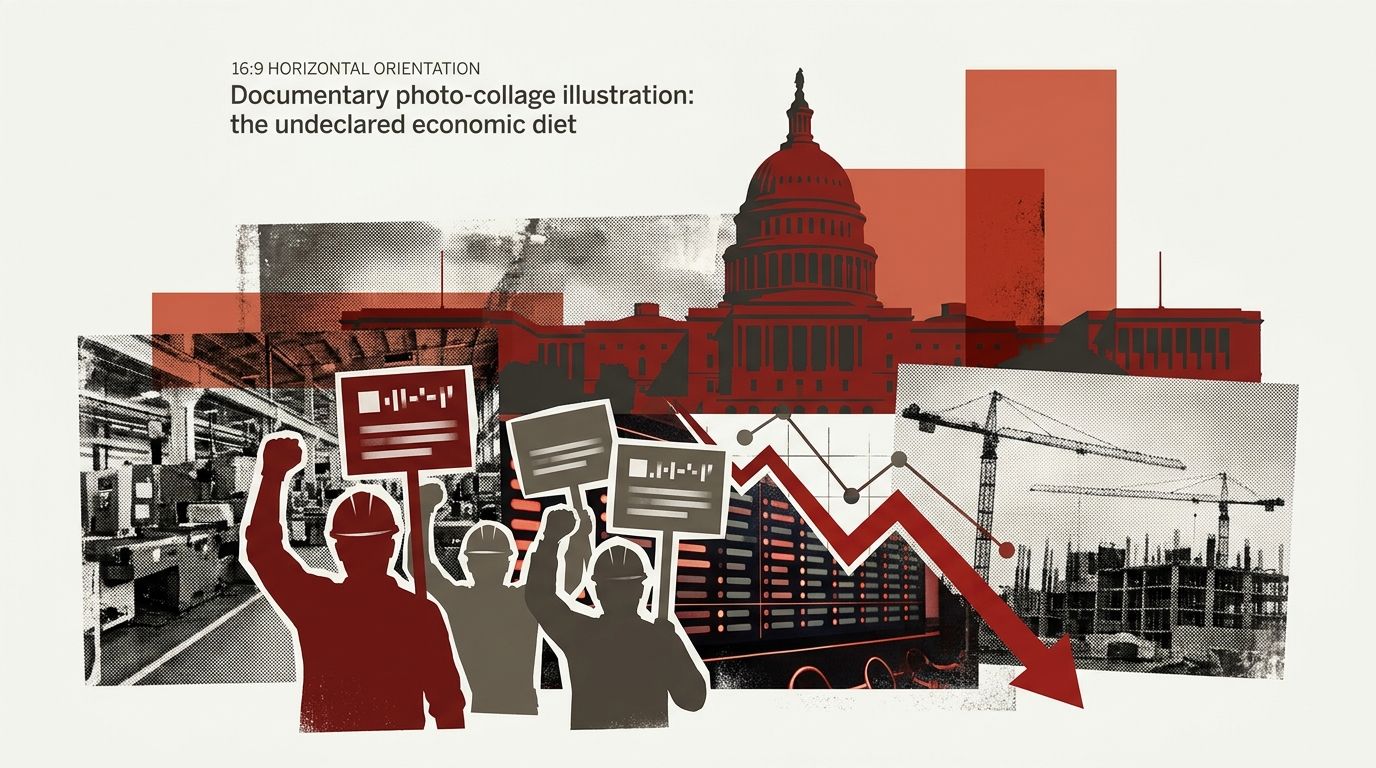
The U.S. House of Representatives passed the Faster Labor Contracts Act on September 15, legislation designed to expedite union contract negotiations for newly organized workplaces, according to an analysis published in the Las Vegas Sun.
 Labor Policy & Law
Maryland's minimum wage is $15.00 per hour for every employer in the state, regardless of business size, a rate that took effect January 1, 2024 under the Fair Wage Act of 2023.
 Union Organizing
Stellantis signed a memorandum of understanding on September 15 with Roshel, a Canadian armored vehicle manufacturer, covering the potential sale of the Brampton Assembly plant in Ontario, according to Global News Canada.
 Labor Policy & Law
Texas does not set its own minimum wage dollar amount. The state's minimum wage law, administered by the Texas Workforce Commission, defers entirely to the federal Fair Labor Standards Act, which means workers in Texas earn a floor of $7.25 per hour, a rate unchanged since July 24, 2009.
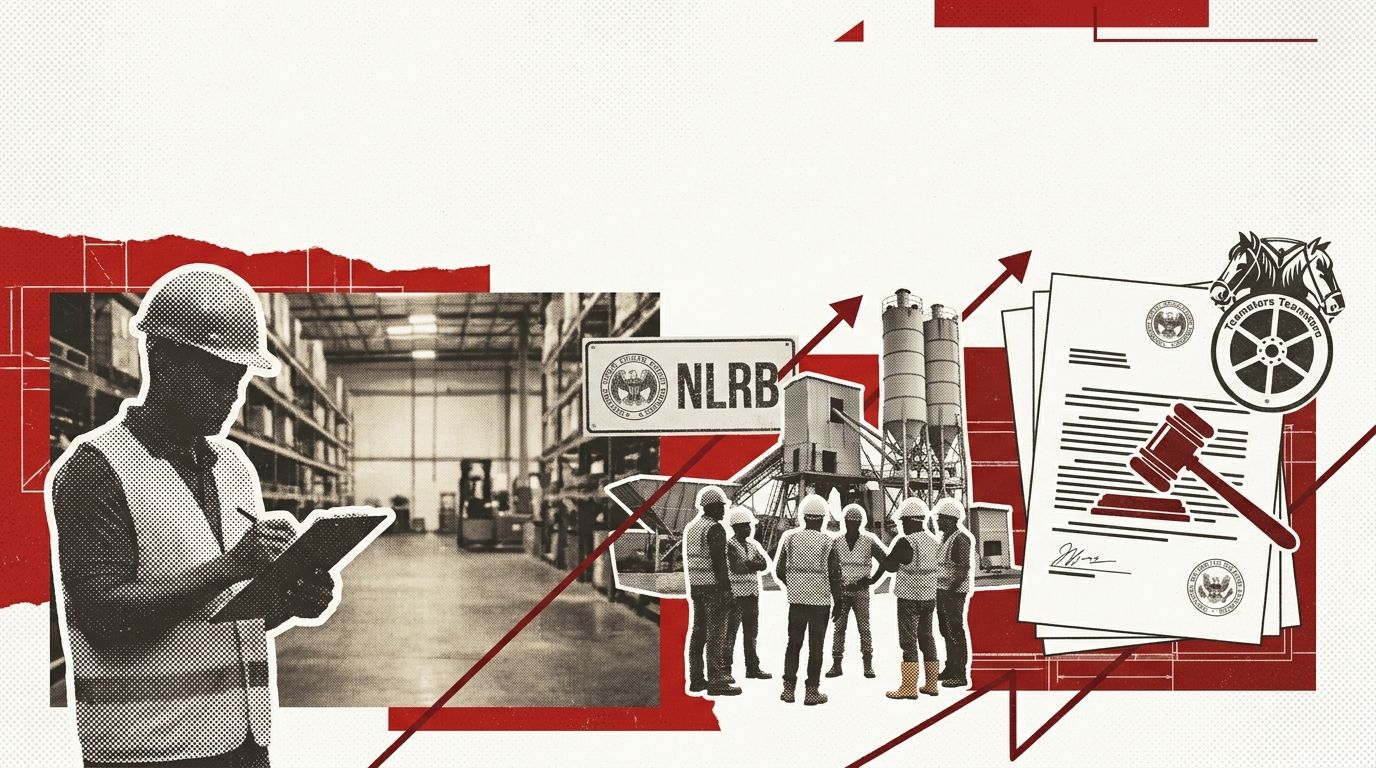
The National Labor Relations Board's General Counsel Crystal Stowe Carey issued a memo on August 26 identifying the Cemex precedent—a Biden-era rule enabling unions to organize through card-check campaigns—as a target for reversal, according to FreightWaves.
 Labor Policy & Law
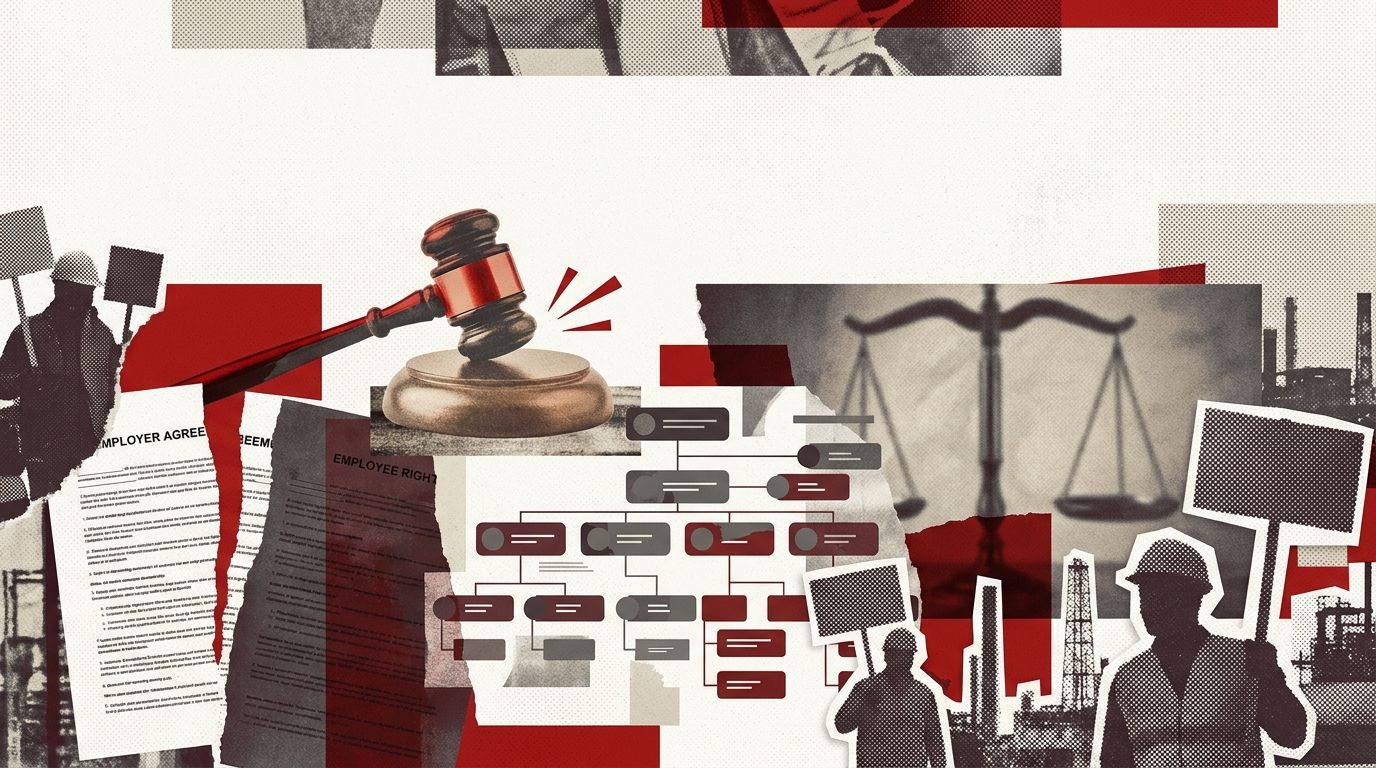
The National Labor Relations Board is the independent federal agency that decides whether your employer broke the law when it fired you for talking about wages, interrogated you about a union meeting, or refused to bargain after workers voted to organize.


 Workers & the Economy